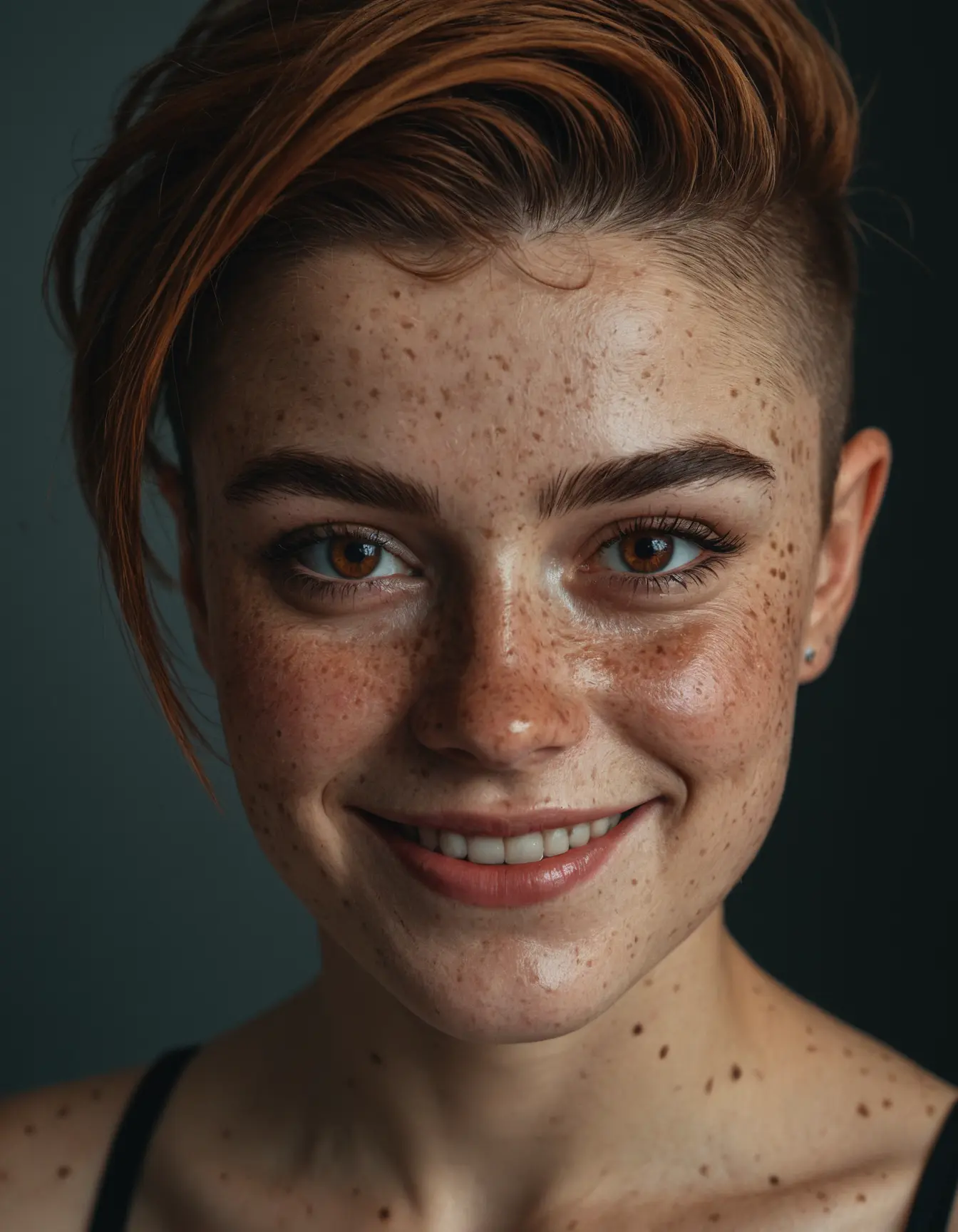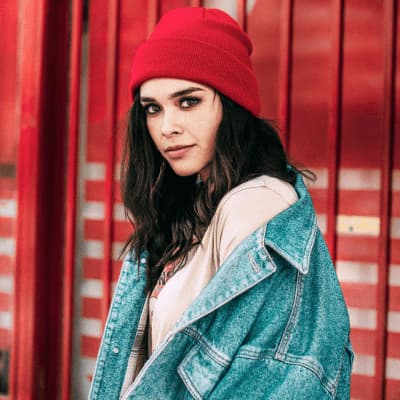
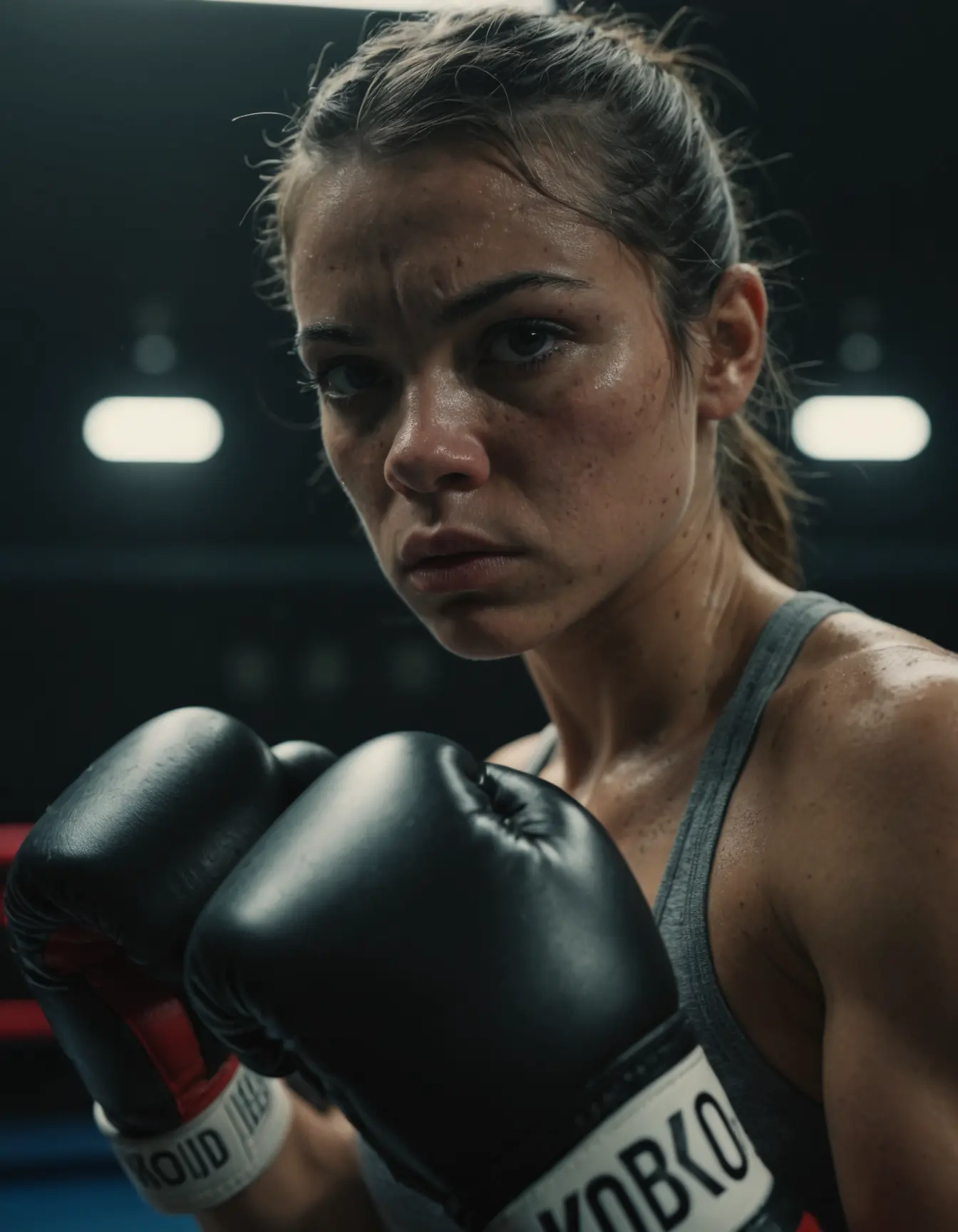
Built around the Juggernaut XL model family, this workspace helps you move from source image and prompt to polished output with strong lighting, skin detail, composition control, and fast iteration.

Community Signals

Juggernaut XL has built its reputation on strong photorealism, especially in skin texture, contrast, lighting, and clean commercial-style rendering. This product wraps that strength in a workflow built for rapid production.

Later Juggernaut XL iterations focused heavily on caption quality and composition control. That makes it a strong base for workflows where consistency, prompt following, and fast revisions matter more than one-off experimentation.

From portraits and fashion to products, environments, and cinematic scenes, Juggernaut XL remains one of the most practical SDXL-based checkpoints for teams that need broad coverage without giving up realism.
Go from idea to finished visual in three steps, without losing the strengths that made Juggernaut XL popular.
Start in the workspace by describing the look you want. Define style, framing, lighting, and the visual mood before generation.
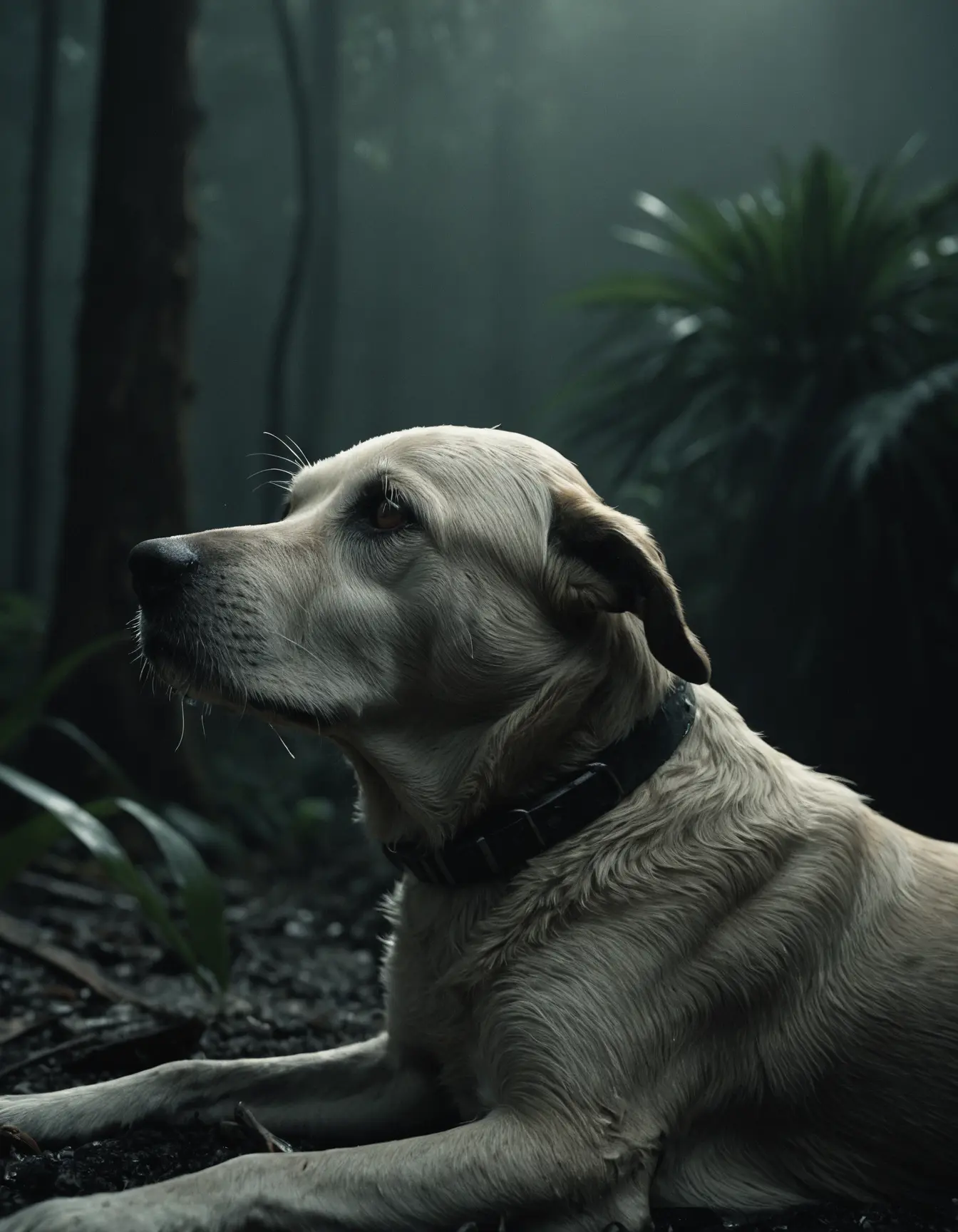
Run the model to produce photoreal or cinematic variants, then adjust your prompt until the anatomy, lighting, and composition match the brief.
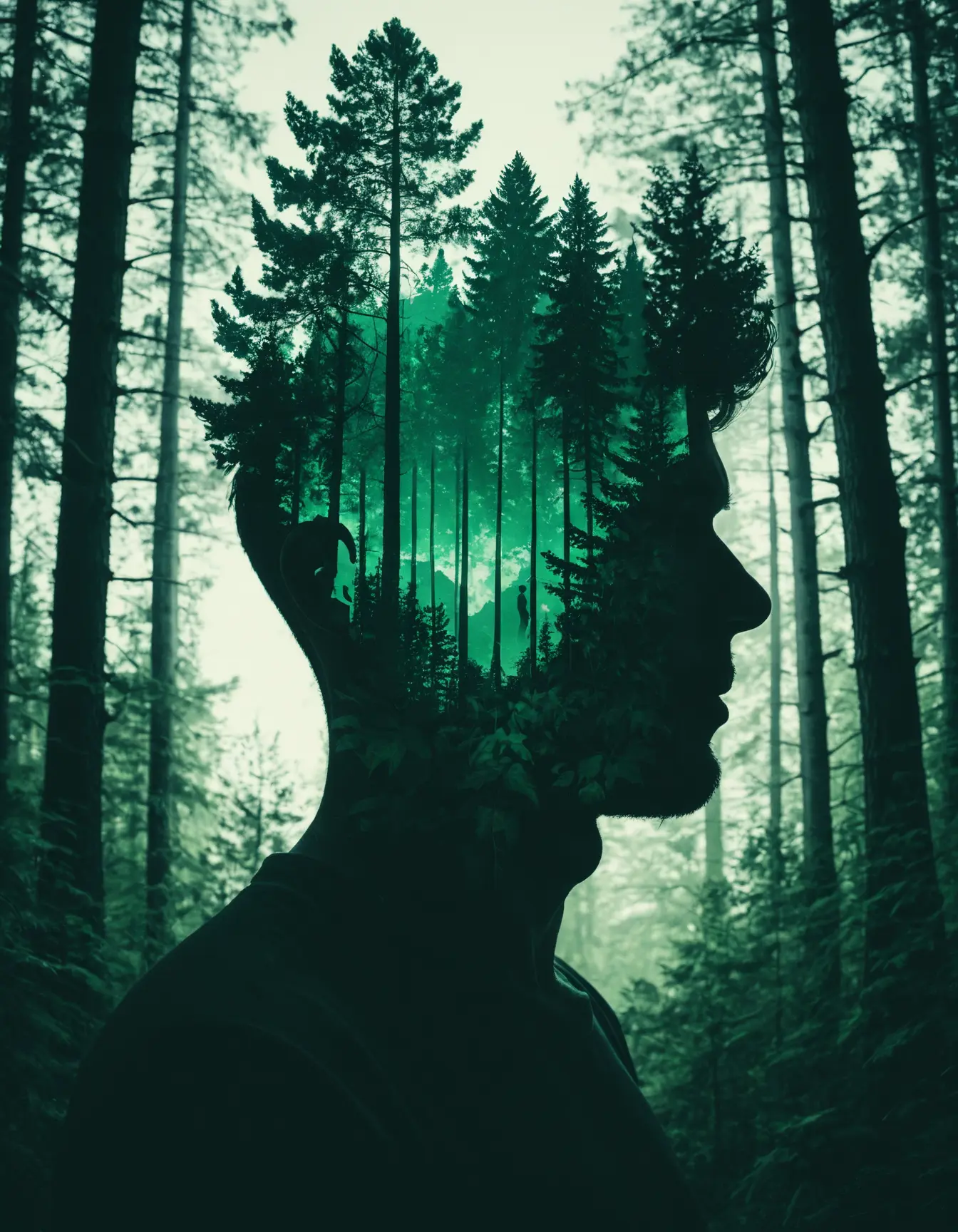
Export the version you want to keep, review it in your history, and continue refining new directions whenever the project changes.
Juggernaut XL remains a practical choice for production workflows that value photoreal detail, prompt control, and efficient iteration.

Juggernaut XL still gives us the fastest path to believable photoreal imagery. The big win here is not just quality, but how quickly the workspace lets our team iterate from one strong prompt to ten usable variations.
We use it when we need the familiar SDXL look with more dependable prompt following. Portraits, lifestyle scenes, and controlled product visuals all come back with a level of consistency that makes production easier.
Hands, pose handling, and lighting quality are where this setup keeps paying off for us. Juggernaut XL has enough realism for commercial work, but it still feels flexible when the art direction shifts.
The model history matters because it explains why the outputs feel stable. You can tell the later versions were tuned for better captioning, stronger composition, and more usable photoreal detail instead of novelty alone.
For a mature SDXL pipeline, this hits the practical middle ground: recognizable photoreal quality, broad style coverage, and enough control that our team can actually build repeatable production around it.
A quick overview of what JuggernautXL is, why it matters, and how this product uses it.
Launch the workspace, test the model on your own prompts and source assets, and see how far a mature SDXL workflow can take your production.